Expert Review
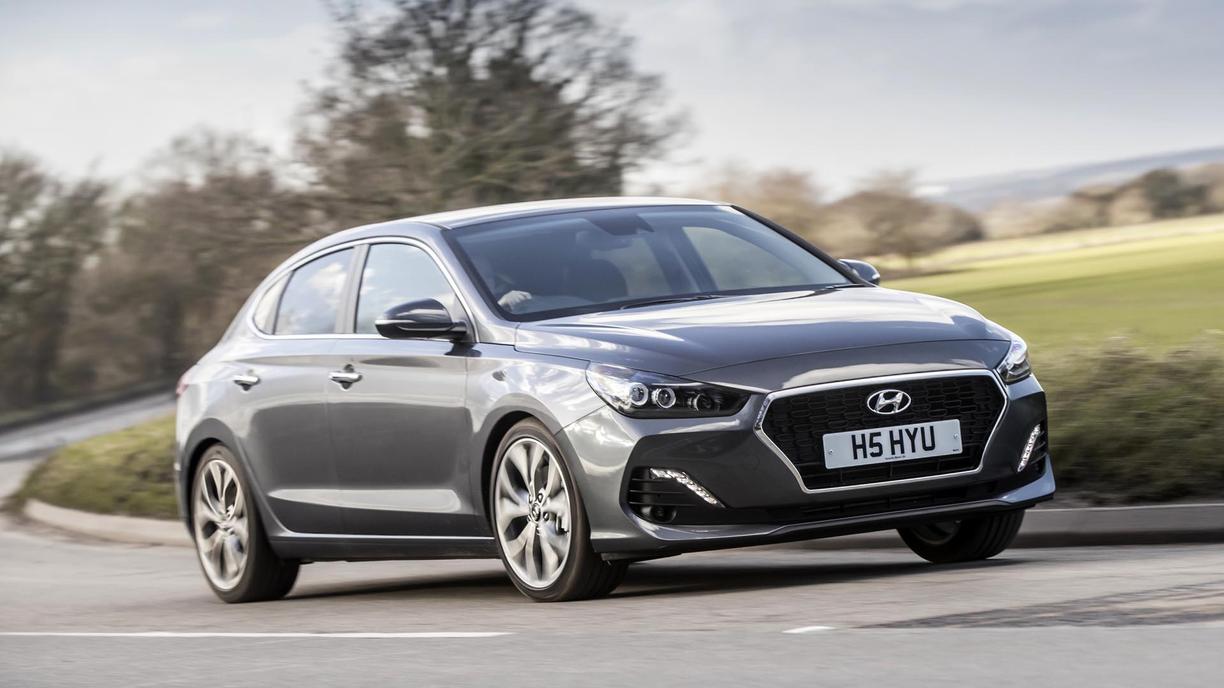
Hyundai i30 Fastback (2017 - ) review
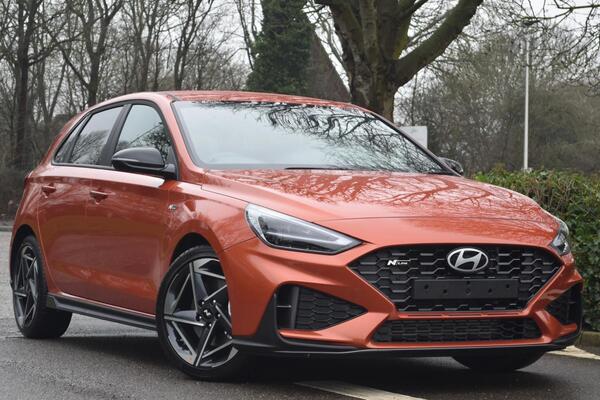
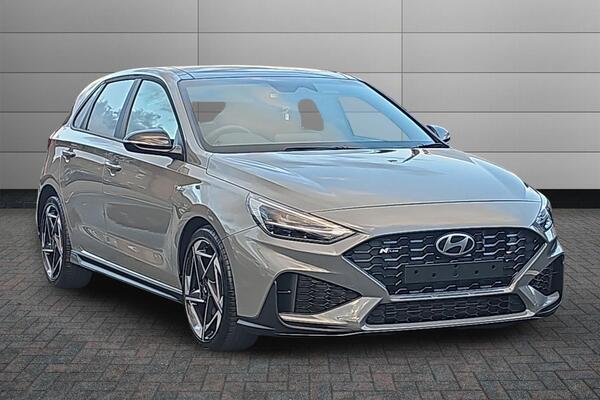
The Hyundai i30 Fastback offers more boot space than the hatchback, plus styling that blends hatchback and saloon into one

The Autotrader expert verdict:
3.6
Even though the Hyundai i30 Fastback has more luggage space, we don’t think it does quite enough to entice buyers who may already like the regular i30 Hatchback. Efforts to add some sportiness to how it drives detract from the comfort, too. Overall, the Hyundai i30 Fastback is a good, well-equipped car, but it faces some serious competition.
Reasons to buy:
- Generous equipment
- Stylish looks
- Cracking warranty

Running costs for a Hyundai i30
There are two petrol engines currently available for the i30 Fastback and little difference between them when it comes to fuel consumption or CO2. Neither is spectacular by any count and if you’re buying with company car tax in mind you might be better served with a hybrid like the Toyota Corolla saloon. It’ll be more expensive to buy but could save a lot in Benefit in Kind.
Expert rating: 3/5

Reliability of a Hyundai i30
Hyundai has an excellent reputation for reliability and robust construction and ranks highly in the respected JD Power Vehicle Dependability Study, even if it’s slipped a couple of places from the top spot it occupied in 2018. That’s nothing too serious to worry about and we can see why the i30 Fastback should stray from this excellent track record. The Warranty Direct Reliability Index looks further back and here Hyundai is still a strong performer and comfortably in the top third of all manufacturers. Five years of roadside assistance and vehicle health checks are included with the standard, fully transferable, unlimited-mileage warranty.
Expert rating: 4/5

Safety for a Hyundai i30
All i30 Fastbacks come with six airbags, driver attention alert and a lane-keep assist system to warn you when begin to drift out of your lane. The i30 also features two Isofix points in the rear for safely securing child seats. It’s a pity, however, features like Autonomous Emergency Braking, blind-spot warning, the drowsiness detection system and alerts to warn you if you’re backing out of a parking space or driveway into oncoming traffic. This is a particular concern given the Fastback shape limits rearward visibility.
Expert rating: 4/5

How comfortable is the Hyundai i30
In a bid to make the i30 Fastback feel sportier than the regular i30 Hatchback, Hyundai has stiffened up the suspension, but this has had a negative effect on how comfortable it is. Especially in the case of the 1.0-litre petrol model, things never quite settle down, and you’re jiggled up and down more than you’d like. Things do improve with the more powerful 1.4-litre petrol engine, because there’s more weight over the front end to settle the suspension. It performs best on a motorway cruise, soaking up surface undulations pretty well. And, although the Fastback doesn’t lean much in the corners, this isn’t the type of car that entices you to drive enthusiastically.
From an ergonomic standpoint, the layout of the i30 Fastback’s interior works reasonably well. Both front seats are height-adjustable, with the driver’s seat benefitting from electrically-operated lumbar support. The multifunction steering wheel can be set for height and reach, too, though we aren't keen on the dashboard layout because there are way too many buttons.
One of the primary reasons for choosing the i30 Fastback over the regular hatchback will be its larger luggage capacity. It’s not a vast difference but a high lip and relatively narrow opening do limit practicality, though you can fold the seats flat with a 60/40 split if you need to. There’s also some extra storage under the boot floor. Rear passenger space is on par with most of its competitors, but foot space for the middle occupant is restricted. Despite the sloped roof, the back door openings aren’t impinged upon and the doors open to a decent angle, which is useful when strapping little ones into their boosters or child seats.
Expert rating: 3/5

Features of the Hyundai i30
There are three trim levels in the i30 Fastback range, offering a greater amount of standard equipment than the hatchback variant of the i30. With the entry trim, you get LED daytime running lights, manual air-conditioning, cruise control with a speed limiter function and electric windows all around. There’s a good spread of in-car tech, too, such as the touch-screen display with satellite navigation, various Live Services and DAB radio. Smartphone users will be happy to see that all i30 Fastbacks get Apple CarPlay and Android Auto connectivity in addition to Bluetooth and a wireless charging pad, but only one USB port. Premium and Premium SE versions gain electrically adjustable heated front seats and dual-zone climate control.
Expert rating: 4/5

Power for a Hyundai i30
If you’re sticking mainly to urban commuting, then the 1.0-litre petrol engine should suffice. It comes exclusively with a six-speed manual gearbox, which isn't the smoothest, but does have a nice light action, and so does the clutch pedal. If you fancy an automatic, you’ll need to choose the 140 horsepower 1.4-litre engine. It’s not a great deal more powerful, but it provides a quieter, smoother driving experience. This makes a bigger difference on longer drives, settling right down to near-silence at motorway speeds. You will still need to drop down a gear for faster overtakes, but on the whole, it performs well.
Expert rating: 3/5